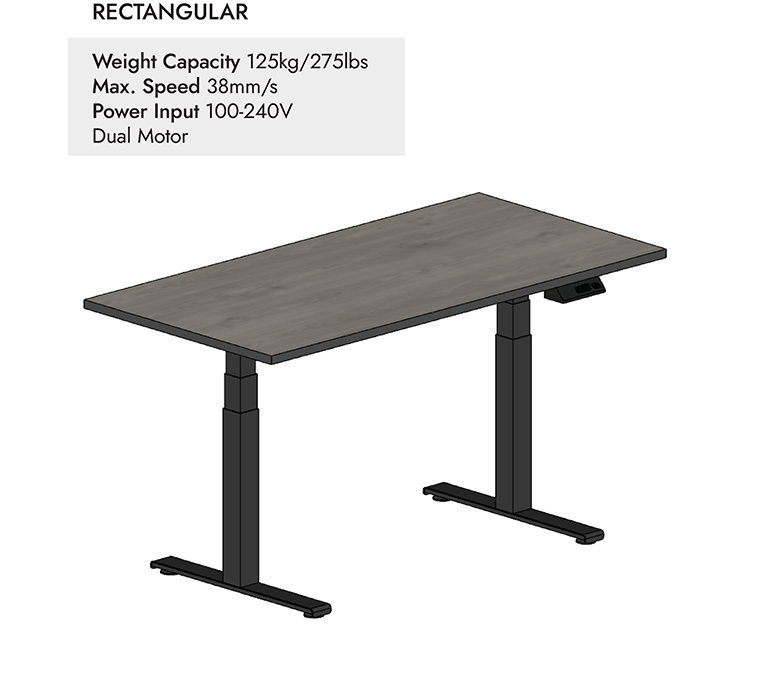
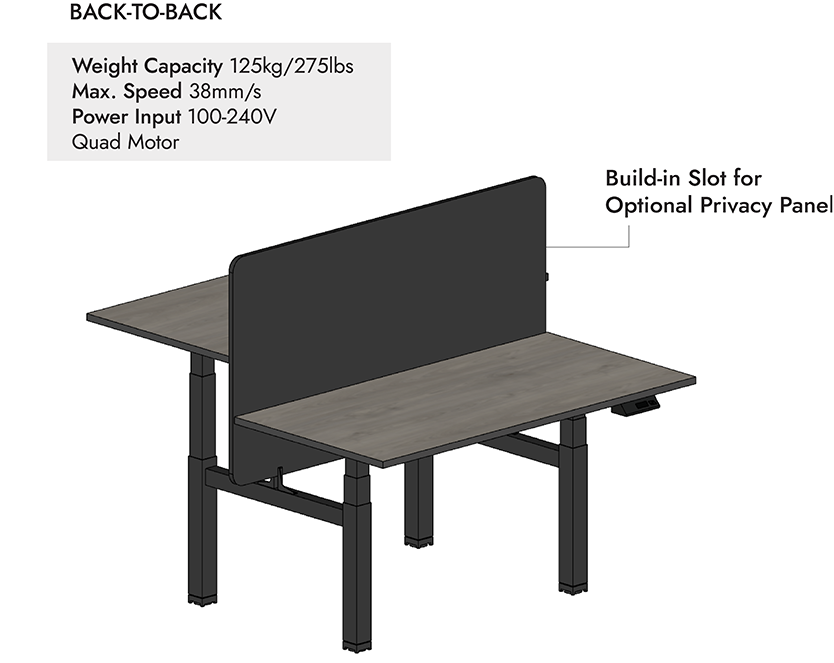
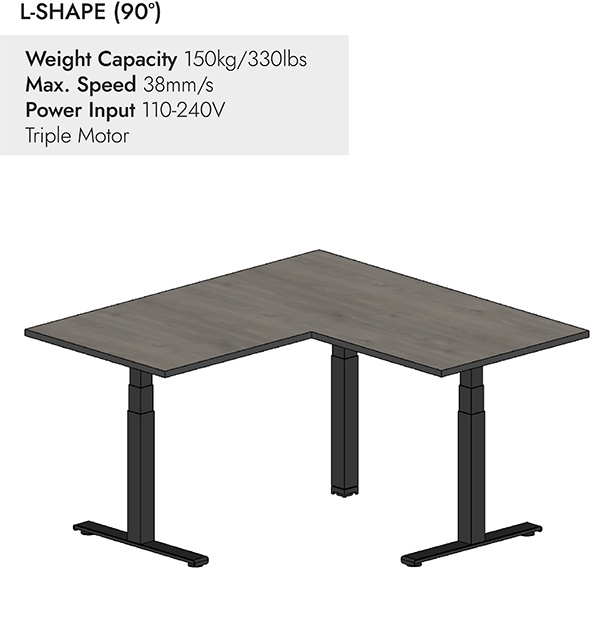
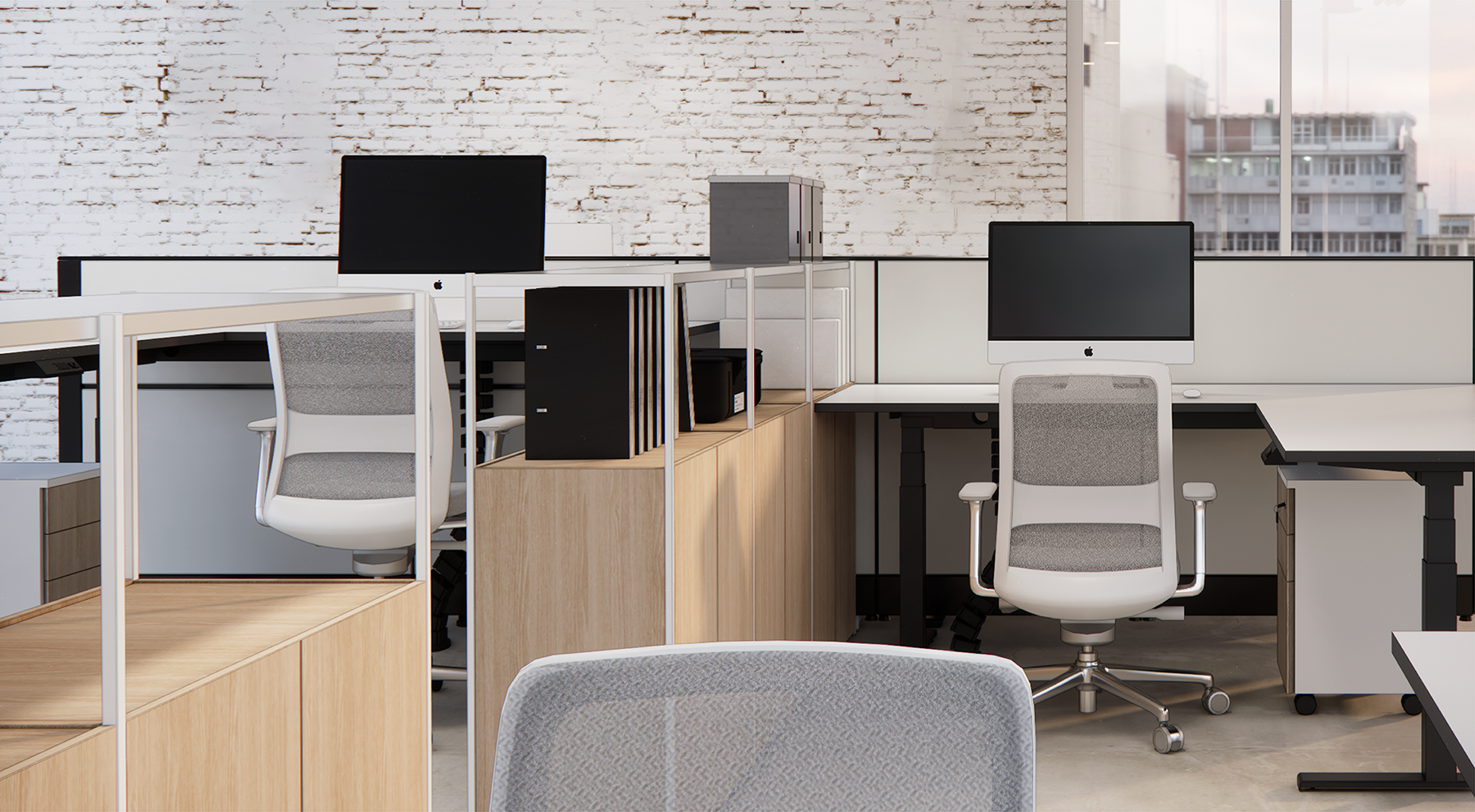
In modern workplaces, where many professionals spend the majority of their day seated, furniture design is no longer merely a matter of aesthetics or layout. The choice of work surface and how it supports movement, posture, and wellness plays a strategic role in employee health and productivity. Height-adjustable tables offer a flexible alternative that empowers users to transition between sitting and standing positions and helps integrate movement into routine work.
At DVS Holdings, through our Altimate height-adjustable table series and other bespoke furniture systems, we are committed to combining ergonomics, health, and flexibility under our ‘Space Reimagined’ ethos.
Modern office workers spend an average of nine to eleven hours each day sitting, often without sufficient breaks or movement. Research consistently links prolonged sitting to a range of adverse health outcomes, including higher risks of obesity, metabolic syndrome, cardiovascular disease, and all-cause mortality [1, 2]. Extended sedentary time slows metabolism, reduces the body’s ability to regulate blood sugar and blood pressure, and diminishes blood circulation in the lower limbs [3].
Importantly, even individuals who meet daily exercise recommendations may not fully offset these effects if they remain seated for most of the day [4]. Musculoskeletal discomfort is also a common consequence, with neck, shoulder, and lower back pain reported among office workers who spend long hours in static postures [5]. Over time, these physical strains can lead to fatigue, reduced focus, and lower job satisfaction.
Given these well-documented risks, workplaces must promote movement, posture variation, and active work habits as part of a broader approach to occupational health.
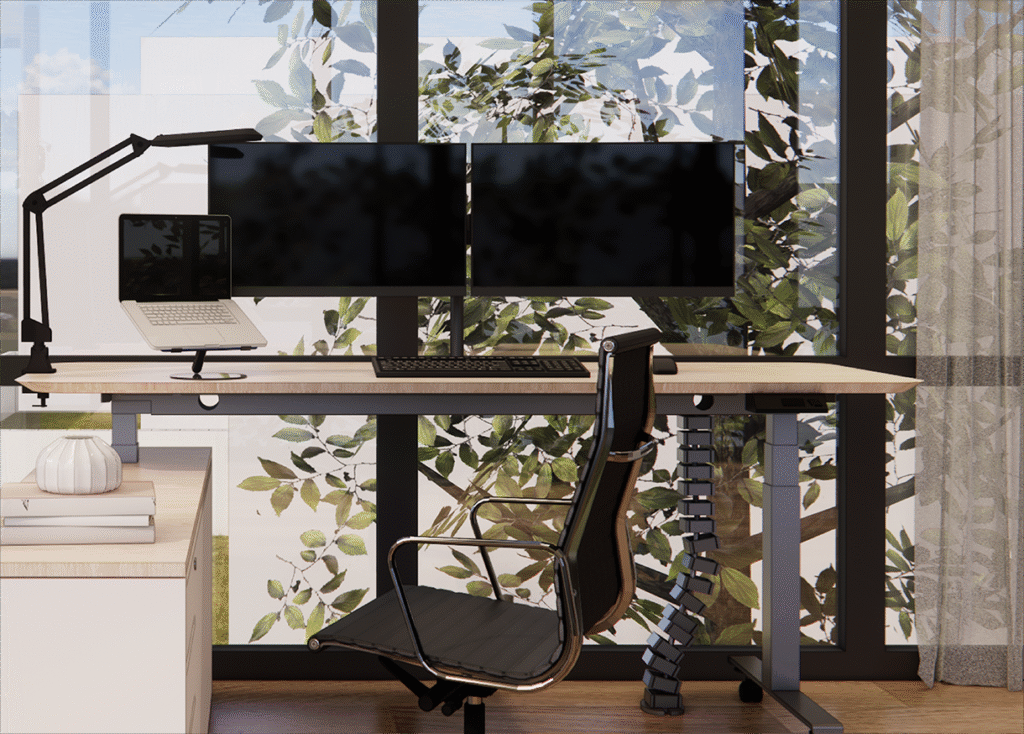
A height-adjustable table allows users to modify the desk height easily, enabling transitions between seated and standing positions. This versatility helps workers incorporate light physical activity into sedentary routines and mitigates the harms of static posture. By supporting dynamic behaviour, such desks improve circulation, stimulate energy expenditure, and promote a healthier work rhythm [6].
Unlike traditional fixed desks, which confine posture, height-adjustable systems provide flexibility and adaptability for diverse body types and work styles. At DVS, our Altimate height-adjustable tables are designed with silent motors, reinforced stability, and smooth motion control to encourage consistent use throughout the workday.
Reducing sedentary time and improving metabolic health
Controlled trials show that height-adjustable workstations effectively reduce sedentary time in the workplace. In the Stand and Move at Work randomized trial, employees who used sit-stand desks reduced sitting time by approximately one hour per day and demonstrated improved cardiometabolic profiles [7].
Another crossover study found that alternating 30-minute bouts of sitting and standing significantly attenuated post-meal glucose responses in overweight and obese office workers [8]. Similarly, interrupting prolonged sitting with light activity or standing has been shown to lower insulin levels and improve glucose metabolism [9]. These findings confirm that modest changes in posture and movement can yield measurable physiological benefits.
Reducing musculoskeletal discomfort and fatigue
Prolonged sitting is associated with tightness and strain in the neck, shoulders, and lower back. A one-year study of office employees found that those provided with sit-stand desks reported 47 percent less upper back, shoulder, or neck discomfort and 65 percent improved overall well-being [10]. Meta-analyses confirm reductions in musculoskeletal pain and fatigue when height-adjustable workstations are introduced as part of ergonomic interventions [11, 12].
However, excessive standing without posture change can cause discomfort in the lower limbs. Experts recommend alternating between sitting and standing every 30 to 60 minutes to maintain circulation and comfort [13].
Supporting productivity, mood, and engagement
Beyond physical health, height-adjustable tables can enhance cognitive and psychological performance. In a 12-month evaluation of workplace sit-stand interventions, employees reported improved concentration, productivity, and mood stability compared with traditional desk users [14]. Another controlled trial found that reducing sitting time by just 60 minutes per day improved energy levels, engagement, and work satisfaction [15].
These results suggest that posture variation influences not only physiology but also motivation and overall job experience.
Access alone does not guarantee use. Many employees with height-adjustable desks revert to sitting unless prompted. Behavioural nudging — the strategic use of subtle cues or reminders — has emerged as an effective approach to sustain healthier behaviours.
In workplace field experiments, default nudges that automatically suggested standing increased standing time by 170 percent, while visual prompts or gentle reminders boosted standing probability by up to 44 percent [16, 17].
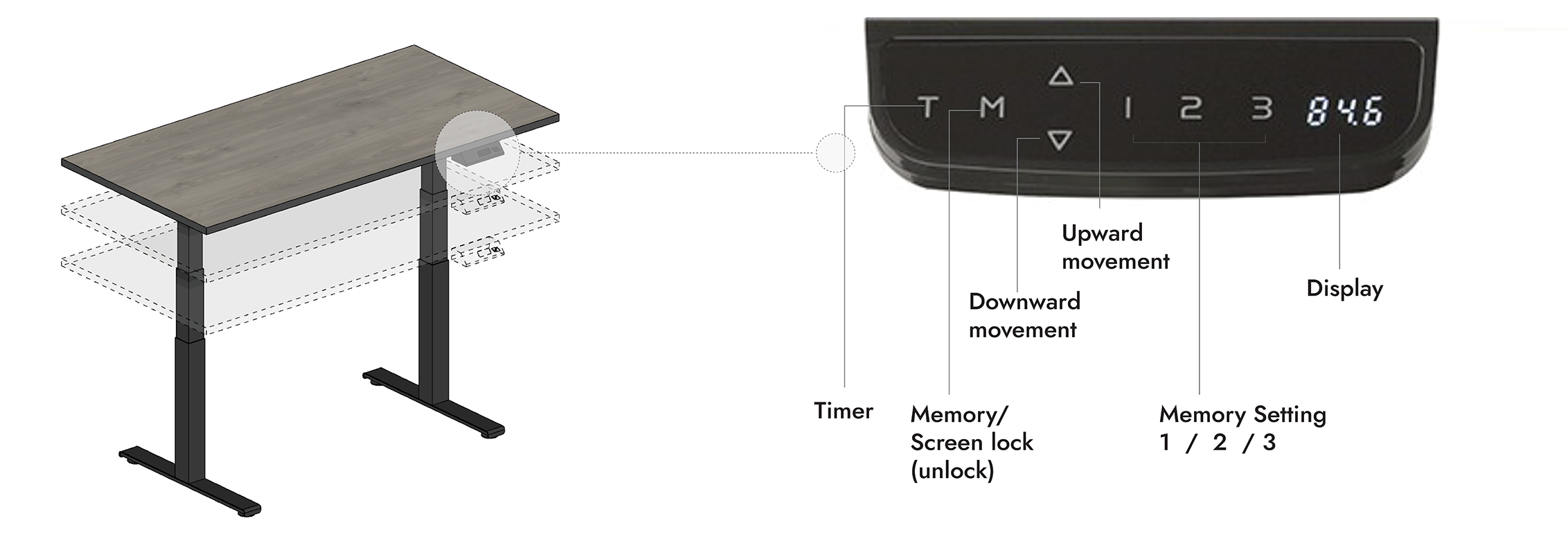
DVS integrates these findings into our Altimate height-adjustable tables, which include a nudging feature that prompts users to stand or rest after a chosen interval. This design bridges behavioural science and ergonomics, ensuring the investment in workplace health translates into real and consistent benefits.
At DVS Holdings, we combine engineering precision, ergonomic science, and consultative expertise to deliver height-adjustable tables that support health, comfort, and performance.
Height-adjustable tables represent an evidence-based approach to creating healthier and more productive workplaces. By encouraging movement, reducing sedentary time, and improving well-being, they serve as an essential ergonomic intervention for the modern office.
When combined with behavioural nudging and responsible material design, DVS’s Altimate tables exemplify how thoughtful engineering can translate science into everyday wellness. DVS continues to Reimagine Space and what it means to work comfortably, dynamically, and sustainably.
[1] Biswas, A., Oh, P. I., Faulkner, G. E., Bajaj, R. R., Silver, M. A., Mitchell, M. S., & Alter, D. A. (2015). Sedentary time and its association with risk for disease incidence, mortality, and hospitalization in adults: A systematic review and meta-analysis. Annals of Internal Medicine, 162(2), 123–132. https://doi.org/10.7326/M14-1651
[2] Thorp, A. A., Healy, G. N., Winkler, E. A. H., Clark, B. K., Gardiner, P. A., & Owen, N. (2014). Prolonged sedentary time and physical activity in workplace interventions: A systematic review. American Journal of Preventive Medicine, 46(3), 315–323. https://doi.org/10.1016/j.amepre.2013.11.012
[3] Owen, N., Sparling, P. B., Healy, G. N., Dunstan, D. W., & Matthews, C. E. (2010). Sedentary behavior: Emerging evidence for a new health risk. Mayo Clinic Proceedings, 85(12), 1138–1141. https://doi.org/10.4065/mcp.2010.0444
[4] Katzmarzyk, P. T., & Lee, I.-M. (2012). Sedentary behaviour and life expectancy in the USA: A cause-deleted life table analysis. BMJ Open, 2(4), e000828. https://doi.org/10.1136/bmjopen-2012-000828
[5] Coenen, P., Gilson, N., Healy, G. N., Dunstan, D. W., & Straker, L. (2017). A qualitative review of existing national and international occupational health and safety policies on prolonged occupational sitting. Applied Ergonomics, 68, 471–477. https://doi.org/10.1016/j.apergo.2017.02.001
[6] Tew, G. A., Posso, M. C., Arundell, L., Brown, W. J., & Clark, B. K. (2015). The effectiveness of height-adjustable workstations on workplace sitting time, physical activity, and health outcomes: A systematic review. Preventive Medicine Reports, 3, 233–249. https://doi.org/10.1016/j.pmedr.2016.01.010
[7] Carr, L. J., Leonhard, C., Tucker, S., Fethke, N., Benzo, R., & Evanoff, B. (2020). Efficacy of the ‘Stand and Move at Work’ multicomponent workplace intervention to reduce sedentary time and improve cardiometabolic risk: A cluster randomized trial. International Journal of Behavioral Nutrition and Physical Activity, 17(133). https://doi.org/10.1186/s12966-020-01033-3
[8] Bailey, D. P., Maylor, B. D., Orton, C. J., Zakrzewski-Fruer, J. K., & Kim, Y. (2014). Alternating bouts of sitting and standing attenuate postprandial glucose responses in overweight/obese office workers. Applied Physiology, Nutrition, and Metabolism, 39(7), 782–789. https://doi.org/10.1139/apnm-2013-0512
[9] Dunstan, D. W., et al. (2012). Breaking up prolonged sitting reduces postprandial glucose and insulin levels in overweight/obese adults. Diabetes Care, 35(5), 976–983. https://doi.org/10.2337/dc11-1931
[10] Pronk, N. P., Katz, A. S., Lowry, M., & Payfer, J. R. (2012). Reducing occupational sitting time and improving worker health: The Take-a-Stand Project, 2011. BMC Public Health, 13(365). https://doi.org/10.1186/1471-2458-13-365
[11] Shrestha, N., Kukkonen-Harjula, K. T., Verbeek, J. H., & Ijaz, S. (2018). Workplace interventions for reducing sitting at work. Cochrane Database of Systematic Reviews, 6, CD010912. https://doi.org/10.1002/14651858.CD010912.pub3
[12] Neuhaus, M., Eakin, E. G., Straker, L., Owen, N., Dunstan, D. W., Reid, N., & Healy, G. N. (2014). Reducing occupational sedentary time: A systematic review and meta-analysis of evidence on activity-permissive workstations. Obesity Reviews, 15(10), 822–838. https://doi.org/10.1111/obr.12201
[13] Robertson, M. M., Ciriello, V. M., & Garabet, A. M. (2013). Office ergonomics training and a sit-stand workstation: Effects on musculoskeletal and visual symptoms and performance of office workers. Applied Ergonomics, 44(1), 73–85. https://doi.org/10.1016/j.apergo.2012.05.001
[14] Donath, L., Faude, O., Schefer, Y., & Zahner, L. (2015). Repetitive exposure to posture changes improves cognitive performance and mood in office workers. Journal of Occupational Health Psychology, 20(4), 471–478. https://doi.org/10.1037/a0039254
[15] Evans, R. E., Fawole, H. O., Sheriff, S. A., Dall, P. M., Grant, P. M., & Ryan, C. G. (2012). Point-of-choice prompts to reduce sitting time at work: A randomized trial. American Journal of Preventive Medicine, 43(3), 293–297. https://doi.org/10.1016/j.amepre.2012.05.010
[16] Celis, M. et al. (2025). Defaults at work: A field experiment on the effect of behavioural nudges. International Journal of Environmental Research and Public Health, 22(7), 994.
[17] Venema, A. G., et al. (2018). I’m still standing: A longitudinal study on the effect of a default nudge. Psychology & Health, 33(11), 1391–1409. https://doi.org/10.1080/08870446.2018.1496255